
Best Retirement Plans for Small Business: Top Picks for 2025
Planning for your retirement might feel overwhelming, especially when you run a small business. But choosing the right retirement plan can secure your future and give you peace of mind.
Imagine having a clear, simple way to grow your savings while also benefiting your employees. You’ll discover the best retirement plans designed specifically for small business owners like you. Keep reading to find the perfect plan that fits your needs and helps you build a comfortable retirement without the stress.
Retirement Plan Basics
What Is A Retirement Plan?
A retirement plan is a way to save money for life after work. It offers a place to put money regularly. The money grows with interest or investments over time. This helps your savings increase for later use.Types Of Retirement Plans
Small businesses can choose from several retirement plans. Common options include SEP IRAs, SIMPLE IRAs, and 401(k)s. Each plan has different rules and benefits. Choosing the right one depends on your business size and budget.Tax Benefits
Retirement plans offer tax advantages. Contributions often reduce taxable income today. Earnings grow tax-deferred until withdrawal. Some plans allow tax-free withdrawals in retirement. These benefits help save more money over time.Contribution Limits
Each plan sets limits on how much you can add yearly. Limits vary by plan type and participant age. Small business owners can contribute for themselves and employees. Staying within limits avoids penalties and extra taxes.Withdrawals And Penalties
Withdrawing money before retirement age may cause penalties. Early withdrawals often face taxes and fees. Retirement plans encourage saving for the long term. Knowing withdrawal rules protects your savings from loss.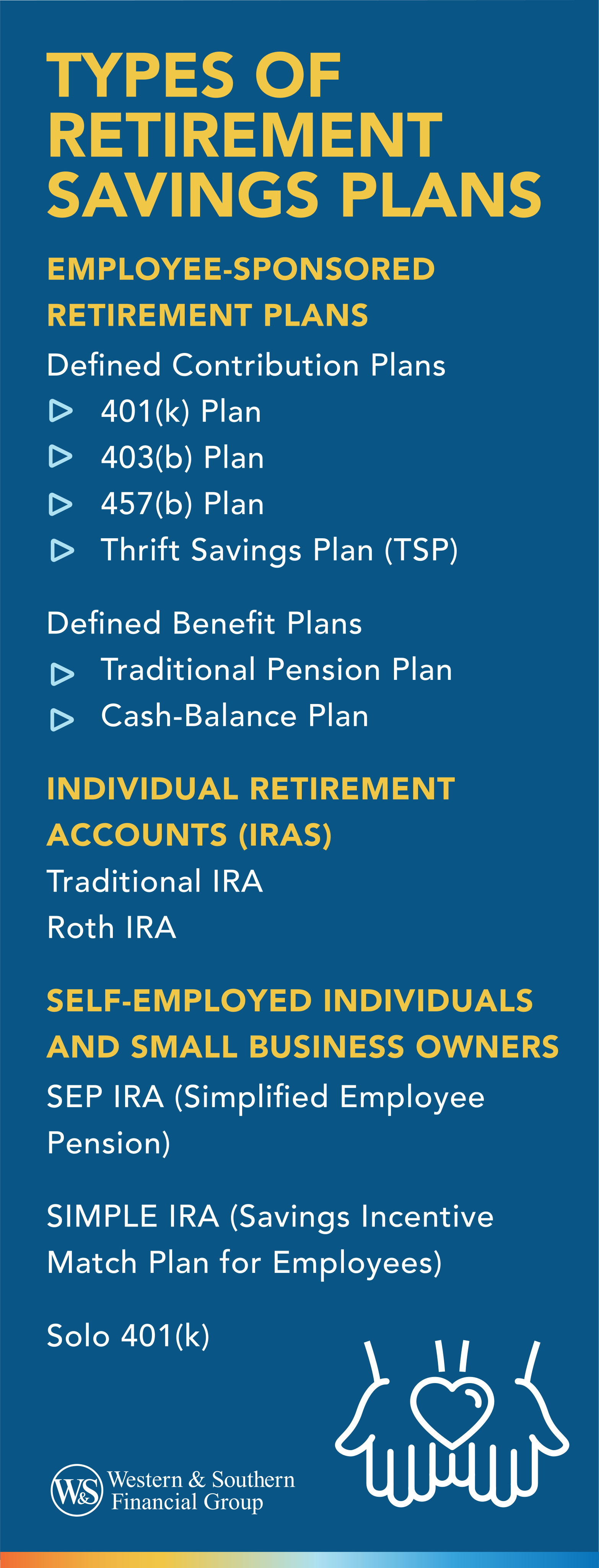
Credit: www.westernsouthern.com
Solo 401(k) Advantages
The Solo 401(k) plan offers many benefits for small business owners. It is designed for self-employed individuals and business owners with no employees. This plan helps save more money for retirement while reducing taxes. Understanding its advantages can help you decide if it fits your needs.
High Contribution Limits
The Solo 401(k) allows you to contribute both as an employee and employer. This means you can save a larger amount each year. Contributions grow tax-deferred until retirement. This helps build a bigger retirement fund faster.
Tax Benefits
Contributions reduce your taxable income, lowering your taxes today. Earnings on your investments grow without tax until withdrawal. You can also choose a Roth Solo 401(k) for tax-free withdrawals later.
Flexible Investment Options
This plan offers many choices for your investments. You can invest in stocks, bonds, mutual funds, or real estate. This flexibility helps you build a diverse retirement portfolio.
Loan Option Available
The Solo 401(k) allows you to borrow money from your account. You can take a loan up to 50% of your balance or $50,000. This can provide funds in emergencies without penalties.
Easy To Manage
The Solo 401(k) is simple to set up and maintain. It has less paperwork than other retirement plans. You only need to file certain forms once your account balance reaches $250,000.
Sep Ira Features
Easy Setup And Low Costs
Setting up a SEP IRA is simple and fast. There are no complex paperwork or high fees. This makes it ideal for small businesses with limited time and budget.Flexible Contribution Limits
Employers decide how much to contribute each year. Contributions can change based on business profits. This flexibility helps manage cash flow and save more when possible.Tax Advantages
Contributions are tax-deductible, lowering taxable income. Earnings grow tax-deferred until withdrawal. This means more money stays invested over time.Employer Contributions Only
Only employers contribute to the SEP IRA. Employees cannot add their own money. This keeps the plan simple and easy to manage for small businesses.Mandatory Contributions For Eligible Employees
If the employer contributes, they must include all eligible employees. Eligibility is usually based on age and work time. This rule ensures fairness for all workers.High Contribution Limits Compared To Other Plans
The SEP IRA allows higher yearly contributions than many other plans. This helps small business owners save more for retirement. Limits adjust annually to keep pace with inflation.Minimal Administrative Requirements
SEP IRAs have fewer reporting rules than other retirement plans. This reduces paperwork and compliance costs. Small businesses can focus on running their operations.
Credit: www.policybazaar.com
Simple Ira Benefits
The SIMPLE IRA plan offers small businesses a smart way to save for retirement. It is easy to set up and costs less to run than many other plans. This makes it a popular choice for small companies with fewer employees. Both employers and employees can contribute to this plan. It helps workers build savings while giving owners tax benefits. The plan also has flexible rules, which suit many small business needs.
Straightforward Setup Process
Starting a SIMPLE IRA is quick and simple. There is less paperwork compared to other retirement plans. Employers can get the plan running without needing a lot of time or money.
Employer Contributions
Employers must contribute to the plan. They can choose to match employee contributions or make a fixed contribution. This helps employees save more without reducing their paychecks.
Tax Advantages
Contributions reduce the taxable income for both employers and employees. Earnings grow tax-deferred until withdrawal. This means money can grow faster over time.
Employee Participation
All eligible employees can join the SIMPLE IRA. This encourages teamwork and shows the business cares about its workers. Employees can start saving right away.
Low Costs
The SIMPLE IRA has low administrative costs. This keeps expenses down for small businesses. More money stays in the plan for retirement savings.
Choosing Between Plans
Choosing the right retirement plan is key for small business owners. The right plan helps save money for the future and keeps employees happy. Each plan has different rules, costs, and benefits. Understanding these details makes the choice easier. Focus on your business size, budget, and goals. Think about how much you want to contribute and how often. Employee participation also matters. Compare plans carefully before deciding.
401(k) Plans
401(k) plans are popular for small businesses. They allow employees to save money from their paychecks. Employers can also add money to employees’ accounts. These plans have higher setup costs but offer bigger savings.
Simple Ira Plans
SIMPLE IRA plans are easy to start and run. They fit small businesses with fewer employees. Both employer and employee put money into the plan. Costs are lower than 401(k) plans but savings limits are smaller.
Sep Ira Plans
SEP IRA plans suit businesses with few or no employees. Only employers contribute money. It is simple and has low costs. Contribution limits are high, helping owners save more each year.
Choosing Based On Business Needs
Think about how much time you have to manage the plan. Consider the cost and paperwork involved. Choose a plan that fits your business size and budget. The right plan supports both you and your workers well.
Tax Benefits For Employers
Offering a retirement plan benefits small business owners in many ways. One key advantage is the tax savings available to employers. These tax benefits help reduce the overall cost of providing retirement options to employees. Employers can lower their taxable income by contributing to employee retirement accounts. This means the business pays less in taxes each year. The money set aside for retirement grows tax-deferred until employees withdraw it.
Tax Deductions On Employer Contributions
Employers can deduct the money they contribute to retirement plans from their business income. This reduces the amount of income subject to taxes. Deductible contributions make it more affordable to offer good retirement benefits.
Tax Credits For Starting A Retirement Plan
Small businesses may qualify for a tax credit when they start a new retirement plan. This credit helps cover setup costs and encourages employers to offer plans. It can be up to $5,000 over three years, lowering startup expenses.
Payroll Tax Savings
Some retirement plans allow employers to save on payroll taxes. Employer contributions to certain plans are not subject to Social Security and Medicare taxes. This reduces the total payroll tax burden for the business.
Encouraging Employee Retention
Tax benefits help make retirement plans affordable. Good retirement benefits can improve employee loyalty and reduce turnover. Keeping skilled workers saves money on hiring and training new staff.
Maximizing Contributions
Maximizing contributions to retirement plans helps small business owners save more for the future. It boosts retirement savings and takes full advantage of tax benefits. Small businesses can benefit from strategies that increase contribution limits and reduce taxable income. Understanding contribution limits and rules allows better planning. Consistent contributions build a bigger nest egg over time. This section explains how to maximize retirement plan contributions effectively.
Know Your Plan’s Contribution Limits
Each retirement plan has a set limit on contributions. These limits change each year based on IRS rules. Knowing these limits helps avoid penalties and missed opportunities. For example, SEP IRAs and 401(k)s have different maximum amounts. Check the current year’s limits to plan contributions wisely.
Use Catch-up Contributions
People aged 50 or older can add extra money to their plans. Catch-up contributions raise the total amount saved each year. This option helps those closer to retirement save more quickly. Small business owners should include this in their planning if eligible.
Combine Different Retirement Plans
Small businesses can use more than one plan type. Combining plans like SIMPLE IRAs and SEP IRAs may increase total contributions. This strategy allows higher overall savings. It requires careful coordination to follow IRS rules.
Make Employer Contributions
Employers can add money to employees’ retirement accounts. These contributions often do not count toward employee limits. Employer contributions grow savings faster and reduce business taxes. Setting up a plan with employer contributions benefits everyone.
Contribute Early And Often
Starting contributions early maximizes growth through compound interest. Regular contributions build savings steadily over the years. Even small amounts add up with time. Small business owners should encourage consistent deposits to their retirement plans.

Credit: www.slideteam.net
Plan Setup Tips
Setting up a retirement plan for your small business needs careful steps. Proper setup ensures the plan works well for you and your employees. Follow simple tips to create a solid foundation and avoid common mistakes.
Choose The Right Plan Type
Start by picking a plan that fits your business size and goals. Options include SEP IRA, SIMPLE IRA, and 401(k). Each plan has different rules and costs. Select one that matches your budget and employee needs.
Understand Legal Requirements
Learn the rules for plan setup and maintenance. Follow IRS and Department of Labor guidelines closely. Meeting legal standards avoids penalties and keeps your plan safe. Keep records of all documents and employee notices.
Set A Clear Enrollment Process
Make joining the plan easy for employees. Provide clear instructions and deadlines. Use simple language and helpful materials. A smooth enrollment encourages more participation and satisfaction.
Work With A Trusted Provider
Choose a plan provider with good support and clear fees. They help with paperwork and compliance tasks. A reliable provider reduces your workload and stress. Compare providers before deciding.
Plan For Regular Reviews
Check the plan regularly to ensure it meets your needs. Review investment options, fees, and participation rates each year. Adjust the plan as your business grows or changes. Staying updated keeps the plan effective.
Frequently Asked Questions
What Are The Best Retirement Plans For Small Businesses?
Small businesses benefit from SIMPLE IRAs, SEP IRAs, 401(k)s, and Solo 401(k)s for retirement savings.
How Does A Sep Ira Work For Small Businesses?
Employers contribute to employee SEP IRAs, with flexible amounts and tax-deductible benefits.
Can Small Business Owners Contribute To Solo 401(k)?
Yes, Solo 401(k) allows owners to save more with higher contribution limits.
What Are Simple Ira Contribution Limits In 2024?
Employees can contribute up to $15,500, plus a $3,500 catch-up if over 50.
Are There Tax Benefits For Small Business Retirement Plans?
Yes, contributions are tax-deductible, lowering taxable income for both owners and employees.
Conclusion
Choosing the right retirement plan helps secure your future. Small business owners can save money and reduce taxes. Plans like SEP IRA, SIMPLE IRA, and Solo 401(k) offer good options. Each plan fits different business sizes and goals. Think about your budget and how much you want to save.
Starting early gives your money more time to grow. Talk to a financial advisor to pick the best plan for you. Planning now means less worry later. Your future self will thank you.