

Retirement Plan Comparison Chart: Ultimate Guide to Smart Choices
Planning for your future can feel overwhelming, especially when faced with so many retirement options. You want to make the best choice for your money, but where do you start?
This Retirement Plan Comparison Chart is designed to clear the confusion and help you see the key differences at a glance. By understanding your options, you’ll feel more confident about securing the retirement you deserve. Keep reading, and discover which plan fits your needs perfectly.
Types Of Retirement Plans
Understanding different retirement plans helps you choose the right option. Each plan has unique features, benefits, and rules. Knowing these can help you save wisely for your future.
401(k) Plans
401(k) plans are popular employer-sponsored retirement accounts. Employees contribute a part of their salary before taxes. Employers often match some contributions, adding extra savings. Taxes are paid when you withdraw money after retirement. These plans have annual contribution limits set by the government.
Iras
Individual Retirement Accounts (IRAs) are personal savings plans. Anyone with earned income can open one. Contributions may be tax-deductible depending on income and other factors. Money grows tax-deferred until withdrawal. IRAs offer more investment choices than many employer plans.
Pension Plans
Pension plans promise a fixed income after retirement. Employers fund these plans during your working years. The payout depends on salary and years worked. These plans provide steady income but are less common now. They reduce the risk of outliving your savings.
Roth Accounts
Roth accounts let you pay taxes on money before saving. Withdrawals during retirement are tax-free if rules are met. These accounts suit those expecting higher taxes later. Contributions are made with after-tax dollars. Roth IRAs and Roth 401(k)s offer tax-free growth potential.

Credit: www.approachfp.com
Key Features To Compare
Choosing the right retirement plan needs careful thought. Key features help compare different plans. These details show how each plan fits your needs. Knowing these features saves money and avoids future problems.
Contribution Limits
Contribution limits tell how much money you can add each year. Some plans allow higher limits, which means saving more. Others have lower limits, suitable for smaller budgets. Check these limits to plan your savings well.
Tax Benefits
Tax benefits reduce the amount of tax you pay. Some plans give tax breaks when you save money. Others reduce taxes when you withdraw money later. Understanding these rules helps keep more money for retirement.
Withdrawal Rules
Withdrawal rules explain when and how you can take money out. Some plans allow early withdrawals with penalties. Others have strict age limits for withdrawals. Knowing these rules avoids penalties and stress.
Employer Matching
Employer matching means your employer adds money to your savings. Not all plans offer this benefit. Matching increases your total savings faster. Check if your plan includes employer contributions.
Risk And Return Profiles
Understanding risk and return profiles helps you choose the right retirement plan. Each plan has different levels of risk and potential gains. Knowing these differences guides better decisions for your future.
Investment Options
Retirement plans offer various investment choices. Stocks, bonds, and mutual funds are common options. Stocks usually bring higher returns but with more risk. Bonds tend to be safer but earn less. Some plans include target-date funds that adjust risk over time.
Market Exposure
Market exposure means how much your investments depend on the stock market. Higher exposure means more chance of big gains or losses. Lower exposure means less risk but smaller returns. Plans with balanced exposure mix stocks and bonds to reduce risk.
Stability Factors
Stability factors show how steady your investments stay. Government bonds and fixed income options offer strong stability. Stocks and real estate can fluctuate a lot. Stable plans protect your money from sharp drops. This is important as you near retirement.
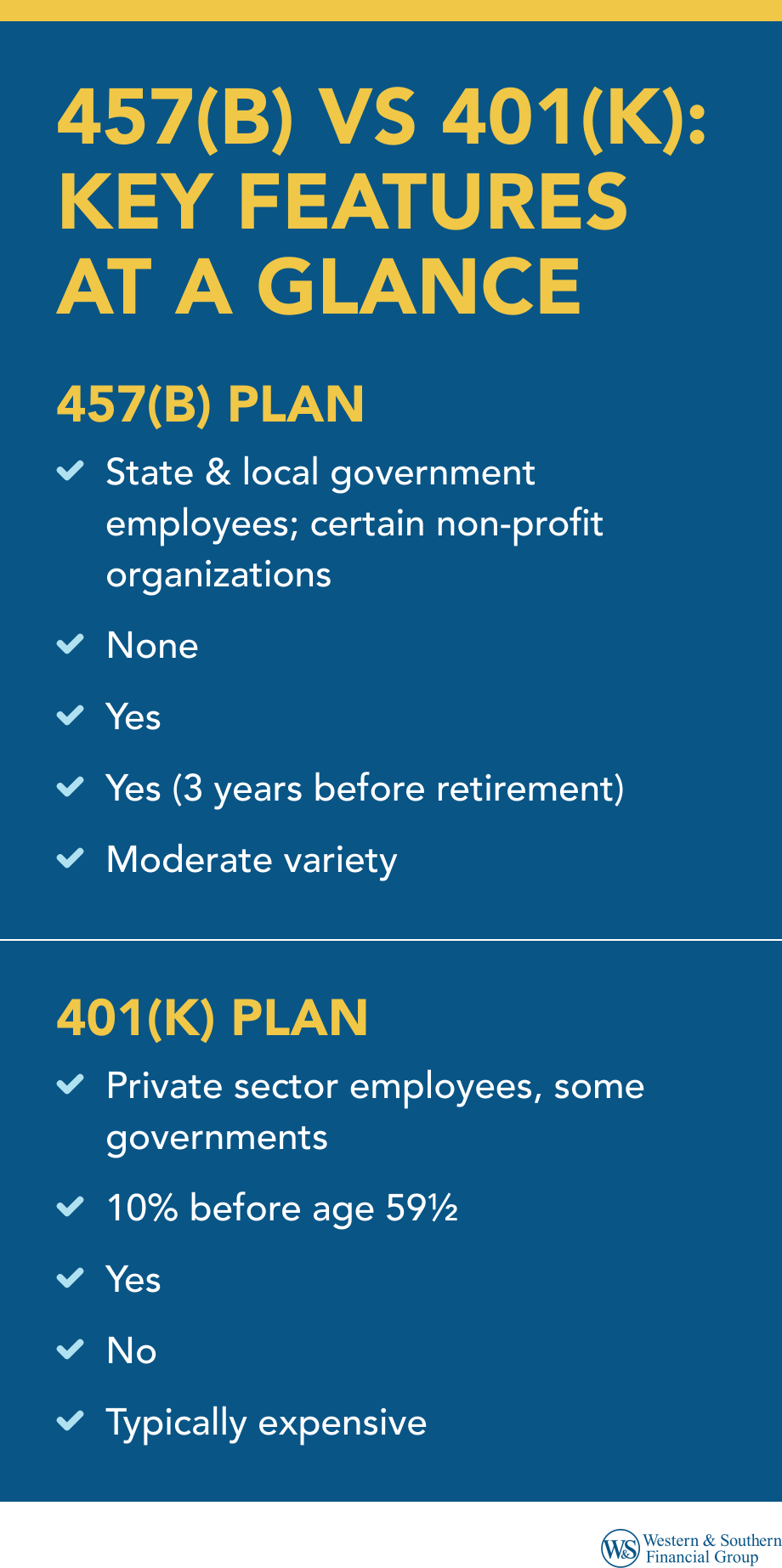
Credit: www.westernsouthern.com
Cost And Fees Breakdown
Understanding the cost and fees of retirement plans is very important. These costs affect your savings growth over time. Knowing what fees you pay helps you choose the right plan.
Management Fees
Management fees pay for the people handling your investments. These fees are usually a small percentage of your total savings. Lower fees mean more money stays in your account. Watch out for high management fees that reduce your returns.
Administrative Costs
Administrative costs cover the paperwork and account services. These include record keeping and customer support. Some plans charge a flat fee, others charge per transaction. Check how often these fees apply to avoid surprises.
Hidden Charges
Hidden charges can hurt your savings without warning. These might include penalties for early withdrawal or transfer fees. Look carefully at all plan details to find these extra costs. Knowing these charges helps you avoid unexpected expenses.
Eligibility And Participation
Eligibility and participation rules shape who can join each retirement plan. These rules set the stage for your savings journey. Understanding them helps you pick the best plan for your needs.
Age Requirements
Most retirement plans require participants to be at least 18 years old. Some plans may let younger workers join with parental consent. Other plans ask you to wait until age 21. Age rules protect your savings and follow legal standards.
Employment Status
Only employees of the company can join employer-sponsored plans. Part-time workers might have different rules than full-time staff. Self-employed people often choose solo or SEP IRAs. Your job type impacts which plans you can use.
Income Limits
Some retirement plans set income caps to qualify. Higher earners might not contribute to Roth IRAs. Plans like SIMPLE IRAs do not have income limits. Checking income rules avoids surprises at tax time.
Flexibility And Accessibility
Flexibility and accessibility are key factors in choosing a retirement plan. These features determine how easily you can manage your funds and respond to life’s changes. A plan that offers more options can give you peace of mind and better control over your savings.
Loan Options
Some retirement plans let you borrow money from your account. This can help in emergencies or major expenses. Loan terms and limits vary by plan. Not all plans offer this feature, so check carefully.
Early Withdrawal Penalties
Taking money out before retirement often comes with fees. These penalties reduce the amount you receive. Certain plans have lower or no penalties in special cases. Understanding these rules helps avoid unexpected costs.
Rollover Choices
Moving funds from one plan to another is called a rollover. Flexible rollover options make it easier to change jobs or plans. Some plans allow direct transfers without taxes or penalties. This keeps your savings growing smoothly.
Tax Implications
Understanding tax implications is crucial when choosing a retirement plan. Taxes affect how much money you keep and use during retirement. Different plans have unique tax rules. Knowing these can help you plan better for the future.
Tax Deferral
Tax deferral means you delay paying taxes on your contributions and earnings. Traditional IRAs and 401(k)s offer this benefit. Your money grows without taxes until withdrawal. This can help your savings grow faster. You pay taxes only when you take money out.
Tax-free Growth
Some retirement plans allow your money to grow tax-free. Roth IRAs and Roth 401(k)s are examples. You pay taxes on contributions upfront. Then your earnings and withdrawals are tax-free. This means no taxes on the money you withdraw in retirement.
Required Minimum Distributions
Required Minimum Distributions (RMDs) are rules about taking money out. Most retirement plans require you to start withdrawals at age 73. The government sets the minimum amount you must withdraw each year. Roth IRAs do not have RMDs during the owner’s lifetime. Missing RMDs can lead to penalties.
Choosing The Right Plan
Choosing the right retirement plan can shape your financial future. It requires clear thinking and understanding your needs. Each plan has different features. Selecting the one that fits your lifestyle is key to a secure retirement.
Personal Goals
Your retirement plan should match your personal goals. Think about when you want to retire. Consider what kind of lifestyle you wish to live. Some plans offer flexibility to adjust savings over time. Others focus on steady growth. Knowing your goals helps you pick the best plan.
Financial Situation
Assess your current financial situation before choosing a plan. Look at your income, expenses, and debts. Some plans require regular contributions. Others let you invest a lump sum. Choose a plan that fits your budget without stress. This balance is important for long-term success.
Long-term Benefits
Focus on the long-term benefits of each plan. Some provide tax advantages. Others grow your money through investments. Check if the plan offers protection against inflation. Consider the ease of accessing your funds later. These benefits affect your retirement comfort and security.

Credit: thecollegeinvestor.com
Frequently Asked Questions
What Types Of Retirement Plans Are Compared In The Chart?
The chart compares 401(k), IRA, Roth IRA, pension, and SEP plans side by side.
How Does The Chart Help Choose The Best Retirement Plan?
It shows key features like contribution limits, tax benefits, and withdrawal rules clearly.
Which Retirement Plan Offers The Highest Contribution Limit?
401(k) and SEP plans generally allow the highest yearly contributions among common plans.
Are There Tax Benefits Shown For Each Retirement Plan?
Yes, the chart lists tax advantages for each plan, including pre-tax and tax-free options.
Can The Chart Help Understand Early Withdrawal Penalties?
Yes, it explains penalties and age rules for withdrawing money before retirement age.
Conclusion
Choosing the right retirement plan takes time and care. Each option has its own rules and benefits. Think about your future needs and money goals. Use the comparison chart to see the key differences clearly. This helps you pick a plan that fits your life.
Start planning early to build a secure retirement. Remember, small steps today lead to big comfort later. Stay informed and review your plan often. Your future self will thank you for wise choices now.