

An Example of Tax Qualified Retirement Plan: Maximize Your Savings Today
Are you looking for a smart way to save for your future while enjoying tax benefits today? Understanding a tax qualified retirement plan can be the key to building a secure financial future without unnecessary tax burdens.
You’ll discover a clear example of such a plan and how it works to protect your hard-earned money. Keep reading to learn how you can make your retirement savings work harder for you.
Tax Qualified Plans Basics
What Makes A Plan Tax Qualified?
A tax qualified plan must meet specific government rules. It must provide clear benefits to employees. The plan must also be in writing. The plan must follow nondiscrimination rules. This means it should not favor highly paid workers. It must be fair to all employees.Common Types Of Tax Qualified Plans
Examples include 401(k), 403(b), and pension plans. Each plan has different rules and benefits. They all help save money with tax advantages. Employers often offer these plans to workers. They may also add money to the plan for employees. This helps the savings grow faster. Money put into these plans is often tax-deferred. This means taxes are paid later, not now. The money grows without being taxed every year. At retirement, withdrawals may be taxed as income. This can lower your tax bill if you are in a lower tax bracket. Early withdrawals may have penalties.Types Of Retirement Plans
Tax qualified retirement plans help people save money for their future. These plans offer tax benefits that encourage saving for retirement. Understanding the different types of retirement plans can help you choose the best option.
401(k) Plans
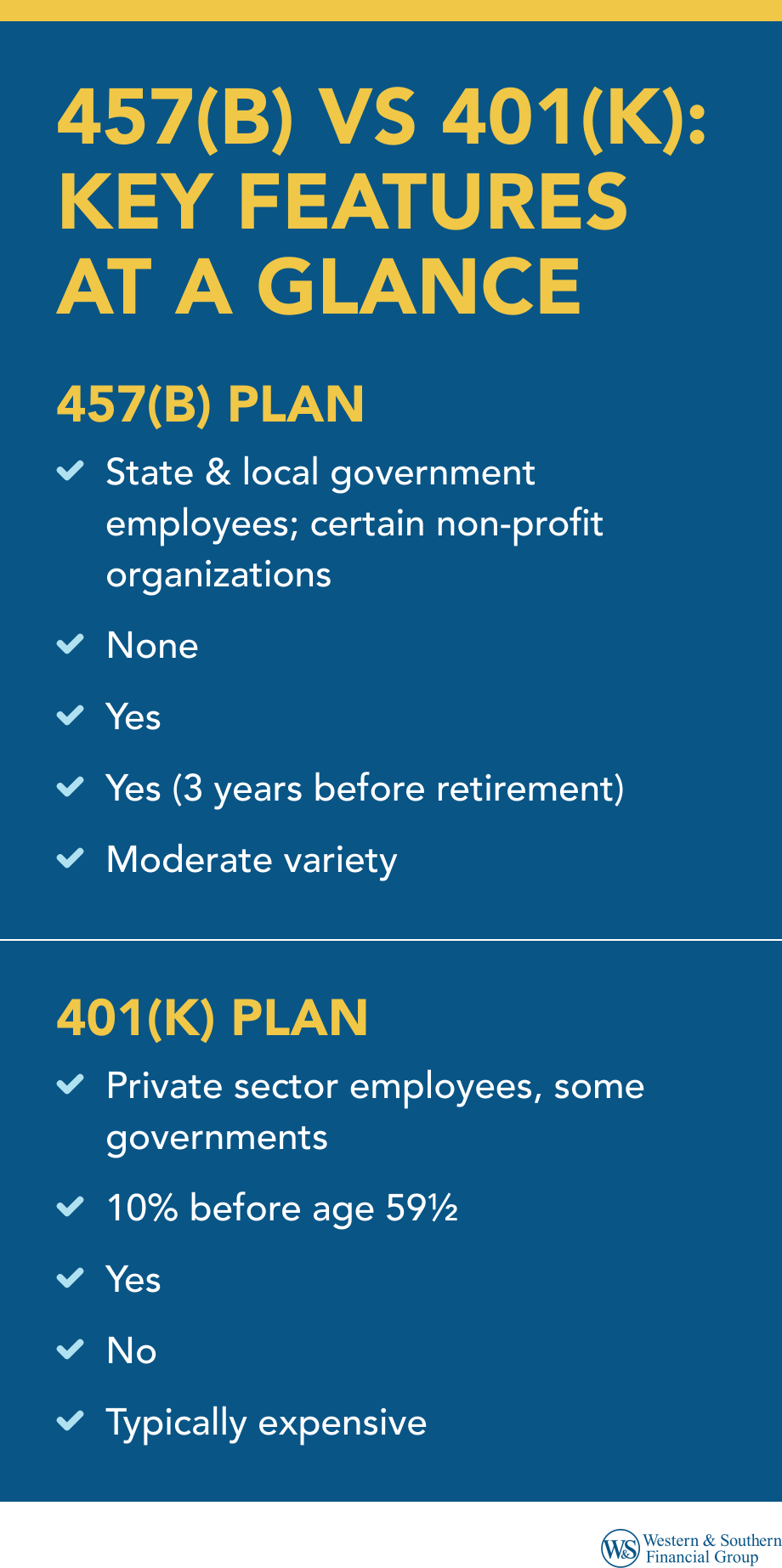
401(k) plans are common in many workplaces. Employees can put part of their salary into this plan before taxes. Employers often add money to these accounts as well. The money grows tax-deferred until retirement. Withdrawals after age 59½ are taxed as income.
403(b) Plans
403(b) plans are similar to 401(k) plans but for certain employees. They are mainly for employees of schools, hospitals, and nonprofits. Contributions are made before taxes. Employers may offer matching contributions. The money grows tax-deferred until withdrawal.
Defined Benefit Plans
Defined benefit plans promise a specific monthly payment at retirement. The payment depends on salary and years worked. Employers manage the plan and invest the money. This plan provides a steady income for retirees. It is less common today but still valuable for many workers.
Benefits Of Tax Qualified Plans
Tax qualified retirement plans offer several important benefits. These plans help individuals save money for retirement in a smart and tax-efficient way. Understanding these benefits can help you see why many people choose these plans.
Tax Deferral Advantages
Tax qualified plans let you delay paying taxes on your contributions. Your money grows without being taxed each year. This means more money stays in your account to grow over time. You pay taxes only when you withdraw funds, usually during retirement.
Employer Contributions
Many employers add money to your retirement plan. This extra money is like a bonus to help your savings grow faster. Employer contributions do not count as your taxable income. It increases your total retirement savings without extra cost to you.
Investment Growth
Money in tax qualified plans grows through investments like stocks and bonds. Earnings from these investments are not taxed each year. This allows your savings to increase more quickly. Over time, compound growth can significantly boost your retirement funds.
Contribution Limits And Rules
Contribution limits and rules are key parts of tax qualified retirement plans. They set the maximum amount you can save each year. These limits help you plan your retirement savings wisely. Following the rules ensures you get the tax benefits without penalties. Each type of retirement plan has its own set of contribution limits. These limits often change yearly based on government guidelines. Understanding these limits helps you make the most of your retirement plan.
Annual Contribution Limits
Most tax qualified plans have a yearly maximum contribution. This limit includes money you put in from your salary. Employers may also add contributions on your behalf. For example, a 401(k) plan has a standard limit for employee contributions.
Catch-up Contributions For Older Savers
People aged 50 or older can save extra money. This is called a catch-up contribution. It allows older workers to boost their retirement savings. The catch-up amount is separate from the regular limit.
Employer Contribution Rules
Employers often match part of your contributions. This match has its own rules and limits. Matching contributions help your savings grow faster. The total combined contributions from you and your employer cannot exceed a set limit.
Contribution Deadlines
Contributions must be made by specific deadlines. Usually, the deadline is the tax filing date for the year. This timing allows you to include contributions on that year’s tax return. Missing the deadline means losing that year’s tax benefit.
Choosing The Right Plan
Choosing the right tax-qualified retirement plan is an important step. It affects your savings and future income. Different plans offer different benefits and rules. Understanding your options helps you pick the best fit for your needs. Consider who will contribute and your job type. These factors shape your choice.
Employee Vs Employer Options
Employees often have access to retirement plans through their workplace. Common plans include 401(k) and 403(b). Employers may offer matching contributions, boosting savings. Employees usually contribute through payroll deductions. Employers handle plan administration and compliance. This setup makes saving simple and automatic. Some plans limit how much you can contribute annually. Knowing these limits helps you save more effectively. Employers can choose plans based on company size and goals. Small businesses might offer SIMPLE IRAs or SEP IRAs. Larger companies tend to offer 401(k) plans with more features. Employer contributions can vary. Some match employee contributions partially or fully. Others provide profit-sharing options. Employer plans often come with tax benefits for the business. Both employees and employers should understand plan rules well.
Self-employed Considerations
Self-employed individuals need different retirement plans. Options like SEP IRA, Solo 401(k), and SIMPLE IRA fit their needs. These plans allow higher contribution limits than personal IRAs. They also offer tax advantages by reducing taxable income. Setting up a plan requires careful planning. You must track income and expenses to determine contributions. Some plans allow you to contribute as both employer and employee. This doubles your saving potential. Choosing the right plan depends on your income level and retirement goals. Self-employed workers should compare plan fees and rules. Some plans have higher setup or maintenance costs. Others require more paperwork and compliance checks. Simpler plans are easier to manage but may limit savings. More complex plans offer better benefits but need more effort. Selecting the best plan ensures steady retirement savings and tax savings.
Maximizing Savings Strategies
Catch-up Contributions
Catch-up contributions allow people over 50 to save extra money. This option helps boost retirement savings beyond the usual limit. It is a chance to add more during the final working years. Many plans offer this feature. It is a smart move to increase your contributions each year. Even small increases add up over time.Automatic Enrollment
Automatic enrollment signs employees up for savings plans automatically. This encourages steady saving without extra effort. Contributions start right away, making saving a habit. People can adjust or stop contributions anytime. This tool helps build savings gradually and keeps plans active. It is especially useful for those who might delay joining.Withdrawal Guidelines
Understanding withdrawal guidelines is key to managing a tax-qualified retirement plan. These rules help you take money out without facing penalties or extra taxes. Following these guidelines protects your savings and ensures steady income during retirement.
Required Minimum Distributions
Required Minimum Distributions (RMDs) are the minimum amounts you must withdraw each year. The government sets these rules to make sure you use your retirement funds over time. Usually, RMDs start at age 73. The exact amount depends on your account balance and life expectancy. Failing to take RMDs leads to heavy penalties.
Penalty Avoidance
Withdrawing money before age 59½ usually triggers a 10% penalty. There are exceptions, such as disability or certain medical expenses. Following the plan’s rules helps avoid these charges. Planning withdrawals carefully keeps your retirement funds safe and penalty-free.
Credit: www.physiciansidegigs.com
Plan Administration Tips
A 401(k) plan is a common example of a tax-qualified retirement plan. It helps employees save money before taxes are taken out. Proper plan administration ensures compliance and smooth operation.
Keep Accurate Records
Maintaining clear and accurate records is essential for any tax qualified retirement plan. Track all contributions, distributions, and participant information carefully. This helps avoid errors and simplifies reporting. Good records make audits easier and ensure compliance with IRS rules.
Communicate Regularly With Participants
Regular updates help participants understand their benefits. Send clear statements and notices about plan changes or deadlines. Keep communication simple and easy to understand. This builds trust and encourages active participation in the plan.
Meet Deadlines Promptly
Timely actions keep the plan in good standing. File reports and tax forms by required dates. Deposit employee contributions quickly to avoid penalties. Meeting deadlines protects the plan and its participants from fines.
Review Plan Documents Often
Plan rules may change over time. Review documents yearly to ensure they stay current. Update the plan to reflect new laws or business needs. Regular reviews prevent mistakes and keep the plan compliant.
Work With Qualified Professionals
Consulting experts saves time and reduces errors. Hire a plan administrator or financial advisor experienced in retirement plans. They help manage complex rules and provide valuable guidance. Professional help ensures smooth plan operation and compliance.
Common Mistakes To Avoid
Understanding common mistakes in tax qualified retirement plans helps protect your savings. Avoiding these errors saves money and reduces stress. Many people miss simple steps that cause big problems later.
Not Contributing Enough
Failing to contribute the maximum allowed limits your savings growth. Small monthly amounts add up over time. Try to contribute as much as possible early.
Missing Deadlines
Late contributions or paperwork can cause penalties. Keep track of important dates for deposits and filings. Set reminders to stay on schedule.
Ignoring Required Minimum Distributions
Not taking out the required minimum distributions after age 73 can lead to fines. Know the rules and withdraw the right amount each year.
Withdrawing Funds Early
Taking money out before retirement may result in taxes and penalties. Only withdraw early in emergencies to avoid extra costs.
Failing To Update Beneficiaries
Old beneficiary designations can cause confusion and legal issues. Review and update your beneficiaries regularly to match your wishes.
Credit: www.westernsouthern.com

Credit: arqwealth.com
Frequently Asked Questions
What Is A Tax Qualified Retirement Plan?
A tax qualified retirement plan lets you save money for retirement with tax benefits.
How Does A Tax Qualified Plan Save Taxes?
It lets you delay paying taxes on contributions and earnings until withdrawal.
Who Can Create A Tax Qualified Retirement Plan?
Employers or individuals can set up these plans to save for retirement.
What Are Common Examples Of Tax Qualified Plans?
401(k), 403(b), and traditional IRAs are popular tax qualified retirement plans.
Can I Withdraw Money Early From These Plans?
Early withdrawals may have penalties and taxes unless exceptions apply.
Conclusion
A tax qualified retirement plan helps save money for the future. It offers tax benefits that grow your savings faster. You put money in before paying taxes. This lowers your taxable income today. The plan’s rules protect your retirement funds.
Choosing the right plan fits your needs and goals. Start early to make the most of tax advantages. Planning ahead gives you peace of mind. Retirement feels safer with a solid savings plan. Think about your future and act wisely now.