

Best Exercise for Seniors and Safe Workouts
The best exercise for seniors combines walking, strength training, balance work, and stretching. Aim for 150 minutes of moderate activity per week. Low-impact options like chair exercises, water aerobics, and yoga are safe and effective. Always check with your doctor before starting a new routine.
This article was reviewed by a certified fitness professional with 10+ years of experience helping Americans over 60 build safe, sustainable exercise habits.
Best Exercise for Seniors and Safe Workouts

Why Exercise Matters More After 60
Nearly 28% of Americans over age 60 are physically inactive, according to the CDC. That’s a serious problem. Inactivity speeds up muscle loss, weakens bones, and raises the risk of heart disease.
The good news? It’s never too late to start moving. Even gentle daily activity makes a huge difference. Your body responds well to exercise at any age.
In 2026, more seniors are discovering how fun and manageable fitness can be. New programs, apps, and Medicare benefits make it easier than ever. You don’t need a gym or expensive gear to get started.
This guide covers the best exercises for seniors — safe, proven, and easy to follow. Whether you’re 55 or 85, there’s a workout here for you. Let’s get started.
Understanding Exercise for Older Adults
Exercise does more than burn calories. For seniors, it protects joints, sharpens the mind, and improves balance. Regular movement can even reduce the risk of falling — one of the biggest dangers for older Americans.
What US Health Guidelines Say
The CDC recommends that adults 65 and older get:
- 150–300 minutes of moderate aerobic activity per week
- Muscle-strengthening activities at least 2 days per week
- Balance exercises 3 or more days per week
These guidelines are based on decades of research. They’re designed for real people — not athletes. Even 10-minute walks count toward your weekly total.
A Real-Life Example
Meet Dorothy, age 72, from Phoenix, Arizona. She started chair yoga twice a week after her knee replacement. Within three months, she was walking a mile each morning. Her doctor cut her blood pressure medication in half.
Dorothy’s story is common. Small, consistent effort produces big results over time. You don’t need to run a marathon. You just need to start.
Exercise Types Compared
| Exercise Type | Effort Level | Main Benefit | Best For |
|---|---|---|---|
| Walking | Low–Moderate | Heart health | All seniors |
| Chair Exercises | Low | Strength & flexibility | Limited mobility |
| Water Aerobics | Low–Moderate | Joint-friendly cardio | Arthritis / bad knees |
| Yoga | Low | Balance & stress relief | Beginners |
| Strength Training | Moderate | Muscle & bone density | Ages 55–75+ |
The Best Exercises for Seniors
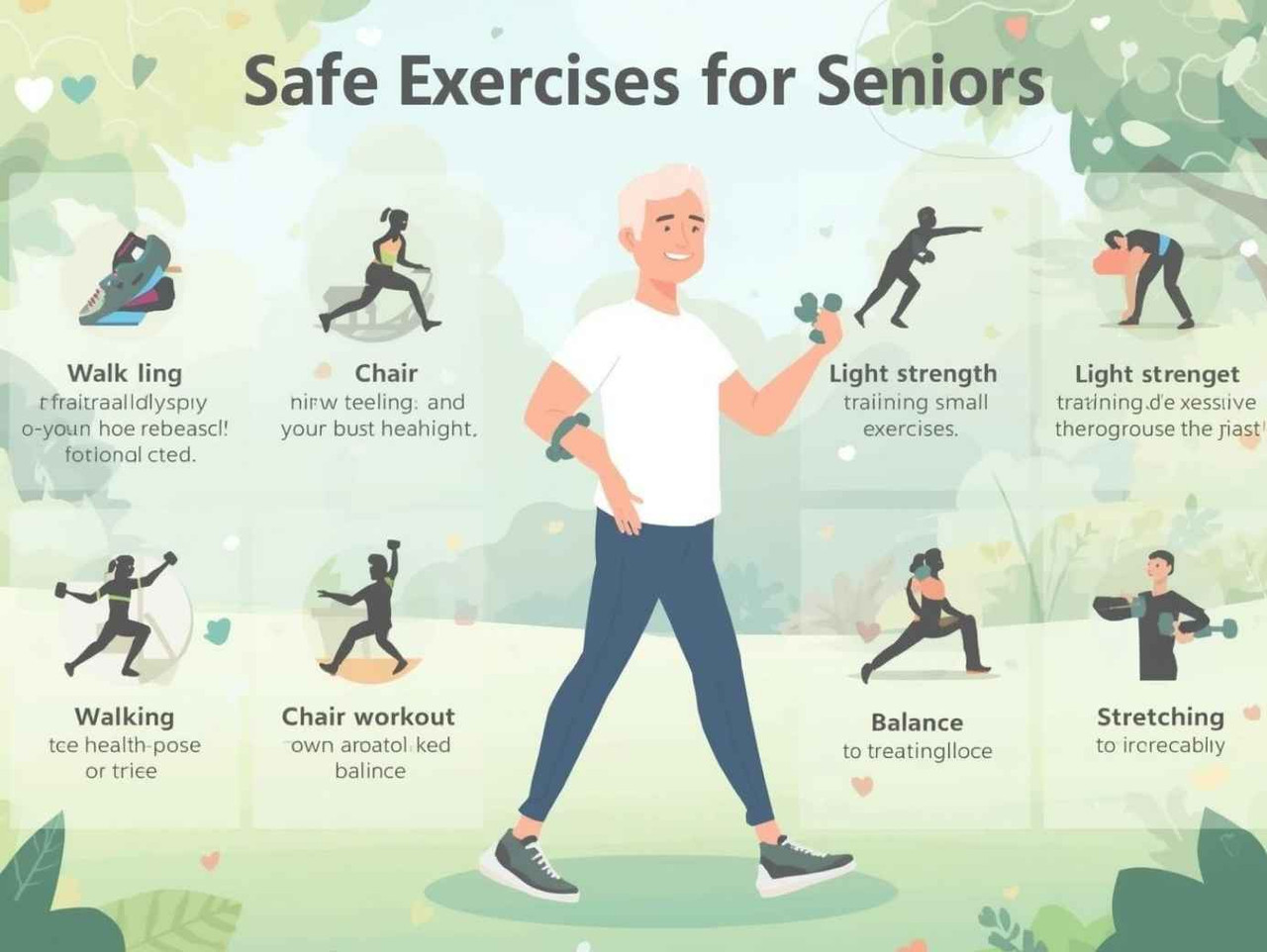
Not all workouts are created equal. The best exercise for seniors is one you’ll actually do. Here are three top categories to start with today.
Walking: The Gold Standard
Walking is free, easy, and incredibly effective. It strengthens the heart, improves mood, and builds leg muscles. Even a 20-minute walk each day lowers your risk of heart disease by up to 30%.
Start with flat, smooth paths. Wear supportive shoes. Bring water and a phone. Aim for 3–5 days per week to start. Increase your time slowly — add just 5 minutes every two weeks.
📍 State Note: Florida, California, and Texas all have free senior walking programs in public parks. Search your city’s parks and recreation website to find one near you.
💡 Pro Tip: Walk in the morning before heat sets in. This also boosts your energy for the rest of the day.
Strength Training: Protect Your Muscles and Bones
Seniors lose up to 3–8% of muscle mass per decade after age 30. Strength training slows this loss dramatically. It also improves balance and protects bones from fractures.
You don’t need heavy weights. Resistance bands, soup cans, or bodyweight exercises work great. Try seated leg raises, wall push-ups, and bicep curls with light dumbbells. Do 2–3 sets of 10 reps, two days a week.
💡 Pro Tip: Buy a set of light resistance bands for under $15 online. They’re easy to store and very effective for seniors at home.
Balance and Flexibility: Prevent Falls Before They Happen
Falls are the leading cause of injury among older adults in the US. Over 36 million falls happen each year among seniors, says the CDC. Balance training can cut that risk in half.
Simple exercises like standing on one foot, heel-to-toe walking, and Tai Chi dramatically improve stability. Add 10 minutes of stretching after every workout. Your joints and muscles will thank you.
📍 State Note: New York and Illinois offer free Tai Chi classes at senior centers statewide. Check your local Area Agency on Aging for availability.
Government Programs That Pay for Senior Fitness
Many seniors don’t know that fitness benefits may be covered — or heavily discounted — through government and Medicare programs. Don’t leave money on the table.
SilverSneakers: Free Gym Access Through Medicare
SilverSneakers is a fitness program available to millions of Medicare Advantage members. It gives you free access to thousands of gyms, fitness classes, and online workouts across the US. It’s one of the best fitness benefits available to seniors today.
You may already qualify and not know it. Visit silversneakers.com to check your eligibility in seconds.
How to Enroll and What You Need
Enrolling is simple. Check your Medicare Advantage plan first. If SilverSneakers is included, you’ll get a membership ID to use at participating gyms.
Required Documents:
- Medicare card or Medicare Advantage plan ID
- Valid photo ID (driver’s license or passport)
- Your plan’s member number
Processing Time:
Enrollment is usually instant online. If you apply through your insurer, it may take 5–7 business days to activate your membership card.
You can also check Medicare fitness benefits at medicare.gov or call 1-800-MEDICARE to ask about your plan’s fitness coverage.
Budgeting for Fitness as a Retiree
Staying active doesn’t have to be expensive. With smart budgeting, you can build a great fitness routine for very little money — or even for free.
The 50/30/20 Budget Rule for Seniors
The 50/30/20 rule says: 50% of income on needs, 30% on wants, 20% on savings. Fitness can fall under both “needs” and “wants” depending on your health goals. Allocate even $20–$30 per month toward fitness and it compounds over time.
Many seniors spend nothing on fitness thanks to free programs. If you do pay, a basic gym membership runs $10–$30/month. Resistance bands and a yoga mat cost under $30 total.
Best Budget Apps for Tracking Health Spending
Mint (now Credit Karma) lets you see all spending in one place — including gym fees. YNAB (You Need A Budget) helps you assign every dollar a purpose. Rocket Money finds subscriptions you forgot about — like gym memberships you’re not using.
These apps are free or low-cost. All are available on iPhone and Android. They take less than 10 minutes to set up.
Financial Mistake to Avoid
Don’t pay for an expensive gym you never use. Many seniors sign annual contracts in January — and stop going by March. Try a free program first. If you love it, then consider upgrading.
💡 Pro Tip: Compare fitness plans before you commit. You can save $1,500–$3,000 over three years by using your Medicare fitness benefit instead of paying out of pocket.
How to Start an Exercise Routine as a Senior : Step-by-Step
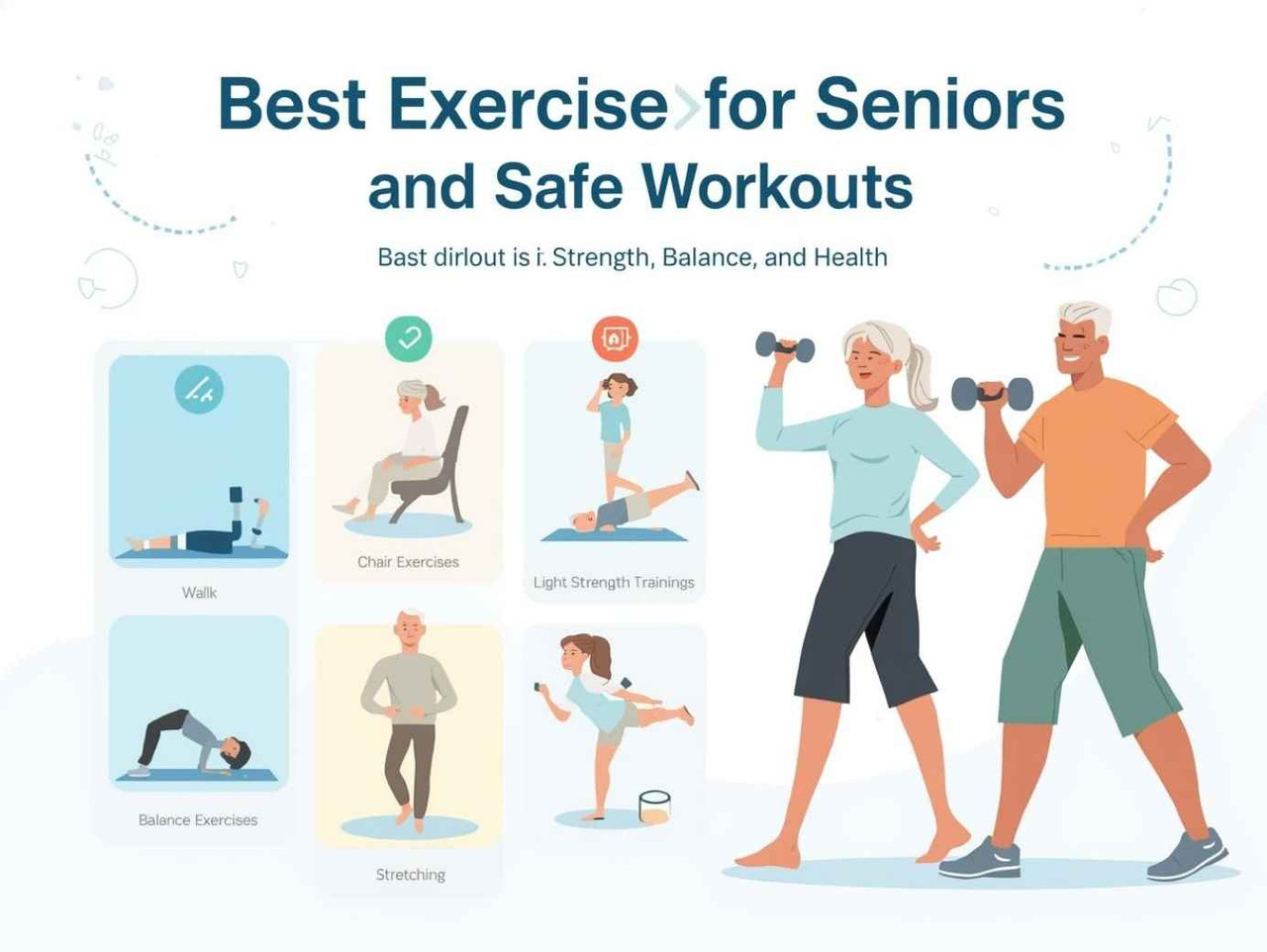
Ready to begin? Follow these six steps to start safely and stick with it long term.
Step 1 — Get Medical Clearance
Talk to your doctor first. Tell them you want to start exercising. Ask about any limits based on your health conditions. This step protects you from injury and gives you peace of mind.
Step 2 — Set a Simple Weekly Goal
Start small. Aim for 3 days of activity per week, 20–30 minutes each. Write your goal on paper or set a phone reminder. Clear goals lead to real results.
Step 3 — Choose the Right Exercise
Pick something you enjoy. If you like water, try water aerobics. If you prefer being outdoors, start walking. Enjoyment is the biggest predictor of staying consistent. Refer to the comparison table above for guidance.
Step 4 — Warm Up and Cool Down Every Time
Never skip a warm-up. Spend 5 minutes walking slowly or doing gentle arm circles before any workout. After exercise, do 5–10 minutes of light stretching. This prevents injury and soreness.
Step 5 — Track Your Progress
Keep a simple log. Write down what you did and how you felt. Even a small notebook works. Many seniors use free apps like Apple Health or Google Fit to automatically track daily steps.
Step 6 — Build Up Gradually
Increase intensity slowly. Add 5 minutes per week. Try a new exercise every month. Your body needs time to adapt — this is how you avoid injury and keep improving safely.
Sample Weekly Exercise Schedule for Seniors
Not sure what a real weekly routine looks like? Use this ready-made template as your starting point. Adjust it based on your energy and health.
WEEKLY EXERCISE SCHEDULE — SENIORS BEGINNER PLAN
Monday: 30-min morning walk (flat, easy pace)
Tuesday: 15-min chair exercises (leg raises, arm curls)
Wednesday: Rest OR 10-min gentle stretching
Thursday: 30-min walk OR water aerobics class
Friday: 20-min beginner yoga or Tai Chi (YouTube or class)
Saturday: 20-min strength training (bands or light weights)
Sunday: Rest and light stretching
GOAL: 150 minutes of moderate activity total per week
NOTES: Adjust based on doctor’s guidance.
Always warm up 5 min before and cool down 5 min after.
Drink water before, during, and after every session.
Template courtesy of restpeak.com
Common Mistakes Seniors Make When Starting to Exercise
Many people start strong and then quit. Here are the most common mistakes — and exactly how to avoid them.
❌ Mistake 1: Doing Too Much Too Soon
Jumping into hour-long workouts right away leads to soreness and injury. Your body needs time to adjust.
✅ What to do instead: Start with 15–20 minutes and build slowly over several weeks.
❌ Mistake 2: Skipping the Warm-Up
Cold muscles tear more easily. Skipping warm-ups is one of the top causes of senior exercise injuries.
✅ What to do instead: Always do 5 minutes of gentle movement before every session.
❌ Mistake 3: Ignoring Pain Signals
Muscle soreness is normal. Sharp or joint pain is not. Pushing through real pain makes things worse.
✅ What to do instead: Stop immediately if you feel sharp pain. Rest, ice, and call your doctor.
❌ Mistake 4: Exercising Alone Without Telling Anyone
Accidents can happen. Working out alone with no one knowing your location is a safety risk.
✅ What to do instead: Tell a family member or neighbor your routine. Consider a workout buddy.
❌ Mistake 5: Staying in Your Comfort Zone Forever
Doing only one exercise forever stops your body from improving. Variety challenges different muscle groups.
✅ What to do instead: Try a new activity every 4–6 weeks. Add balance or strength to a walking routine.
👉 [Internal Link – Read more healthy aging tips on restpeak.com]
Frequently Asked Questions
What is the best exercise for seniors over 70?
Walking, chair exercises, and water aerobics are ideal for seniors over 70. They are low-impact and easy on joints. Always get your doctor’s approval before starting any new workout plan at this age.
How much exercise should seniors do per day?
The CDC recommends at least 30 minutes of moderate activity most days of the week. That equals about 150–300 minutes per week. You can break it into smaller 10-minute chunks throughout the day — it still counts.
What exercises should seniors avoid?
Seniors should avoid high-impact activities like running on concrete, heavy overhead lifts, and unsupported deep squats without guidance. These can strain the knees, spine, and shoulders. Stick to low-impact options unless a trainer specifically clears you for more intensity.
Is walking enough exercise for a 70-year-old?
Walking is an excellent foundation — but it’s even better when combined with strength and balance exercises. Adding two days per week of light resistance training will protect your muscles and bones. Think of walking as the base layer of your fitness routine.
Does Medicare pay for gym memberships for seniors?
Yes — many Medicare Advantage plans include fitness benefits like SilverSneakers, which provides free gym access at thousands of locations nationwide. Visit medicare.gov or call 1-800-MEDICARE to check your specific plan benefits today.
Conclusion: Start Moving and Stay Strong
The best exercise for seniors is the one you enjoy and will keep doing. Walking, strength training, balance work, and yoga are all proven options. You don’t need a fancy gym or expensive equipment to get started.
- Aim for 150 minutes of moderate activity each week
- Add strength and balance training at least twice a week
- Check your Medicare plan — you may get free gym access
Start small, be consistent, and build slowly. Your energy, balance, and confidence will improve — and so will your quality of life. The best time to start is today.
👉 [Read Next: Senior Health Insurance Counseling for Kansas: Expert Tips & Guidance ]