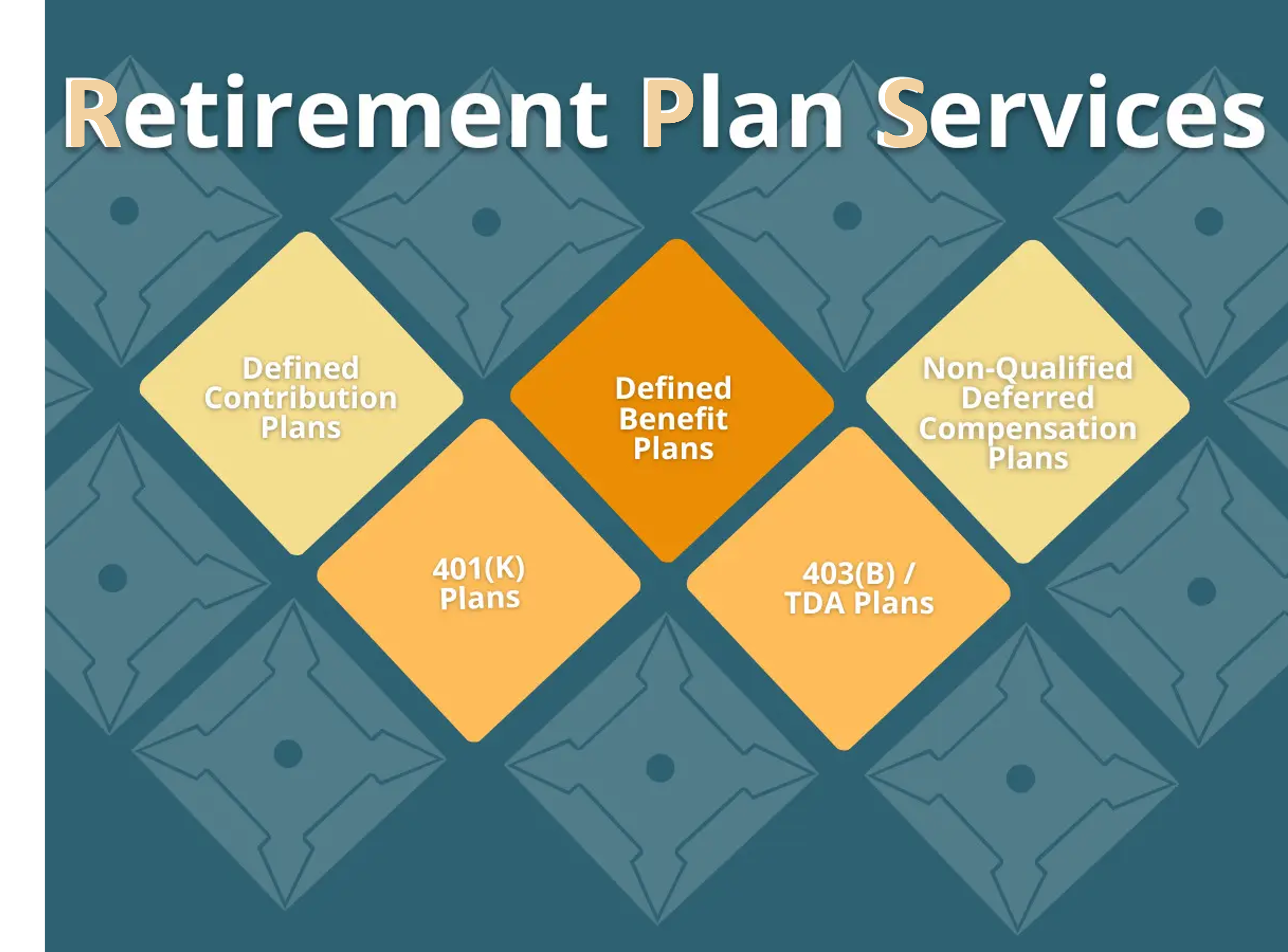
When it comes to planning your financial future, understanding the difference between qualified and non-qualified retirement plans can make a huge impact on how much money you keep and how smoothly your retirement goes. You might think all retirement plans work the same, but the truth is, knowing which plan suits your needs can save you taxes, boost your savings, and give you more control.
You’ll discover exactly what sets these two types of plans apart and how to choose the best one for your unique situation. Keep reading—your future self will thank you.
Types Of Retirement Plans
Understanding the types of retirement plans is key to making smart decisions about your future. These plans come in two main categories: qualified and non-qualified. Knowing how each works can help you choose the best option to grow your savings and reduce taxes.
Qualified Retirement Plans
Qualified plans meet government rules and offer tax advantages. Your contributions often reduce your taxable income, which means you pay less tax now. The most common examples include 401(k)s and traditional IRAs.
With a 401(k), you can usually contribute money directly from your paycheck before taxes. This lowers your taxable income right away. Plus, many employers add money to your account, helping your savings grow faster.
Traditional IRAs work similarly but are set up individually. You might get a tax deduction for what you put in, depending on your income and other factors. The growth on your investments happens tax-deferred until you withdraw money in retirement.
Non-qualified Retirement Plans
Non-qualified plans don’t follow the strict rules of qualified plans, so they offer more flexibility. However, they don’t provide the same upfront tax breaks. These plans are often used by high earners or business owners looking for extra retirement savings options.
One example is a deferred compensation plan. You agree to delay part of your salary or bonus until retirement, which can lower your current taxes. But the money is taxed when you receive it later, and the plan isn’t insured by the government like qualified plans.
Have you thought about how much control you want over your retirement savings? Non-qualified plans might give you that, but with more risk involved. Knowing your comfort level with risk can guide your choice between these types of plans.
Features Of Qualified Plans
Qualified retirement plans have specific features that set them apart. These plans follow rules set by the government. They offer tax benefits and protect employees’ savings for retirement.
Understanding these features helps to see why many employers choose qualified plans. They provide security and clear benefits for both workers and employers.
Tax Advantages
Contributions to qualified plans usually reduce taxable income. Taxes on earnings grow tax-deferred until withdrawal. This helps savings grow faster over time.
Employer Contributions
Employers often add money to employees’ accounts. This boost helps employees save more for retirement. Employer matching increases the overall savings significantly.
Regulated By Law
Qualified plans must follow strict rules under ERISA. These rules protect participants’ rights and plan assets. Plans must provide clear information to employees.
Contribution Limits
The government sets yearly limits on contributions. These limits control how much money can be put in. They help keep the plan fair and manageable.
Vesting Schedules
Vesting defines when employees own employer contributions. It encourages workers to stay longer with the company. Full ownership usually happens after a few years.
Withdrawal Rules
Withdrawals before retirement age may face penalties. This rule encourages saving for the future. Qualified plans have clear guidelines on when money can be taken out.
https://www.youtube.com/watch?v=KHpaPSxQ1C8
Characteristics Of Non-qualified Plans
Non-qualified retirement plans offer flexible benefits beyond standard retirement accounts. These plans do not follow strict rules set by the IRS, unlike qualified plans. Employers use them to provide extra benefits to select employees. Understanding their characteristics helps in making informed choices about retirement saving options.
Html Syntax For Headings
Tax Treatment Flexibility
Non-qualified plans do not get immediate tax benefits. Taxes are paid when money is received, often at retirement. Employers can decide when to tax contributions and earnings. This flexibility helps tailor plans to individual needs.
Contribution Limits
These plans do not have strict contribution limits. Employers and employees can agree on higher amounts than qualified plans allow. This feature suits high earners who want to save more for retirement.
Participation Rules
Non-qualified plans can target specific employees. Employers often use them for executives or key staff only. No need to offer the plan to all workers. This selective approach rewards valued team members.
Withdrawal Restrictions
Withdrawals depend on plan terms, not IRS rules. Employers set rules about when and how money is paid out. Early withdrawals may be allowed or restricted based on the plan. This control helps manage cash flow and taxes.
Risk Factors
Funds in non-qualified plans are not protected by federal law. If a company faces financial trouble, plan assets may be at risk. Employees should understand this risk before participating. These plans are less secure than qualified plans.
Credit: www.fortpittcapital.com
Tax Treatment Differences
Tax treatment is a key difference between qualified and non-qualified retirement plans. It affects how you pay taxes on contributions, earnings, and withdrawals. Understanding these differences helps you plan better for retirement and taxes.
Qualified plans follow strict rules set by the IRS. These rules offer tax benefits but limit flexibility. Non-qualified plans have fewer rules and more flexibility. Their tax treatment varies and can be less favorable.
Tax Benefits Of Qualified Retirement Plans
Contributions to qualified plans often reduce taxable income. This lowers your tax bill during working years. Earnings grow tax-deferred, meaning no taxes until withdrawal. Withdrawals are taxed as ordinary income.
Taxation In Non-qualified Retirement Plans
Contributions to non-qualified plans usually do not reduce taxable income. Earnings may grow tax-deferred or be taxed yearly, depending on the plan. Withdrawals can be taxed differently, sometimes as income or capital gains.
Tax Penalties And Withdrawal Rules
Qualified plans have strict rules for early withdrawals. Withdrawals before age 59½ may face penalties and taxes. Non-qualified plans often allow more flexible withdrawals. Penalties depend on the plan’s terms and tax laws.
Contribution Limits And Rules
Contribution limits and rules are key factors for retirement plans. These rules decide how much money you can put into your account each year. Different plans have different limits and rules. Knowing these details helps you save the right amount for your future.
Qualified Retirement Plans Contribution Limits
Qualified plans have set limits by the government. For example, 401(k) plans let you contribute up to $22,500 in 2024. People aged 50 or older can add an extra $7,500 as a catch-up. Your employer may also add money through matching contributions. These plans follow strict rules about contributions and taxes.
Non-qualified Retirement Plans Contribution Rules
Non-qualified plans have fewer contribution limits. Employers and employees can agree on different amounts. These plans do not have a yearly cap set by the government. Contributions often depend on the company’s policy. Taxes on these plans work differently than qualified plans.
Differences In Contribution Timing And Withdrawals
Qualified plans require contributions before tax or after tax, depending on the plan. Withdrawals usually face penalties if taken early. Non-qualified plans offer more flexibility in contributions and withdrawals. You can contribute or take money out as agreed with your employer. This flexibility suits some people better.
Withdrawal And Distribution Options
Withdrawal and distribution options differ between qualified and non-qualified retirement plans. These choices impact taxes, penalties, and your access to funds. Understanding these rules helps you plan your finances better.
Qualified Retirement Plans Withdrawal Options
Qualified plans include 401(k)s and IRAs. You can start withdrawals at age 59½ without penalties. Early withdrawals may face a 10% penalty and income tax. Required minimum distributions (RMDs) start at age 73. You may take lump sums or periodic payments. Loans may be allowed but depend on the plan rules.
Non-qualified Retirement Plans Withdrawal Options
Non-qualified plans offer more flexible withdrawal rules. There are no required minimum distributions. You can withdraw funds anytime, but taxes depend on the plan type. Some plans tax earnings as ordinary income when withdrawn. Penalties usually do not apply. These plans often serve high earners seeking extra savings options.
Tax Implications Of Withdrawals
Qualified plan withdrawals are taxed as ordinary income. Early withdrawals often carry penalties. Non-qualified plans tax only the earnings at withdrawal. Contributions may be after-tax, so they are not taxed again. Understanding these details reduces surprise tax bills. Planning withdrawals carefully saves money.
Benefits And Risks Comparison
Comparing benefits and risks helps choose the right retirement plan. Both qualified and non-qualified plans offer unique advantages and drawbacks. Understanding these can protect your savings and maximize growth.
Benefits Of Qualified Retirement Plans
Qualified plans offer tax advantages. Contributions often reduce taxable income. Earnings grow tax-deferred until withdrawal. Employers may match contributions, increasing savings. These plans follow strict rules for protection. They often have higher contribution limits. Plans like 401(k)s and IRAs fall here. They provide legal safeguards for your money.
Risks Of Qualified Retirement Plans
Qualified plans have strict withdrawal rules. Early withdrawals may cause penalties. Required minimum distributions start at age 73. Limited investment choices can reduce flexibility. Plan fees and expenses may apply. Changing jobs can complicate plan management. Some plans have loan restrictions. Penalties and taxes can reduce retirement funds.
Benefits Of Non-qualified Retirement Plans
Non-qualified plans offer more flexibility. Contributions can be larger and varied. No early withdrawal penalties usually apply. Employers can design plans to fit needs. They allow special tax planning options. These plans can help high earners save more. They do not require immediate taxation on earnings. Investment choices are often broader and customizable.
Risks Of Non-qualified Retirement Plans
Non-qualified plans lack legal protections of qualified plans. Funds may be at risk if the company faces trouble. Earnings may be taxed before withdrawal. No guaranteed tax deferral on contributions. Employers can change plan terms anytime. These plans are less regulated by the government. They rely heavily on employer’s financial health. Withdrawal rules can be complicated and uncertain.
Credit: www.newsbreak.com
Frequently Asked Questions
What Are Qualified Retirement Plans?
Qualified retirement plans meet IRS rules and offer tax benefits to employees and employers.
How Do Non-qualified Retirement Plans Differ?
Non-qualified plans do not follow IRS rules and have fewer tax benefits but more flexibility.
Who Can Participate In Qualified Plans?
Qualified plans are usually open to all eligible employees within a company.
Are Contributions To Qualified Plans Tax-deductible?
Yes, contributions to qualified plans are often tax-deductible for employers and employees.
What Risks Are Involved With Non-qualified Plans?
Non-qualified plans carry higher risk since funds are not protected if the company fails.
Conclusion
Qualified and non-qualified retirement plans serve different needs. Each plan offers unique benefits and rules. Qualified plans often provide tax advantages and protections. Non-qualified plans offer more flexibility but less security. Choosing the right plan depends on personal goals and circumstances.
Understanding these differences helps in making smart retirement choices. Plan carefully to secure your financial future. Retirement savings matter, so stay informed and take action.
Are you thinking about your future and wondering which jobs can give you a strong retirement plan? Choosing the right career isn’t just about your salary today—it’s about securing comfort and peace of mind for tomorrow. Imagine having a job that not only pays well but also offers benefits that help you build a solid…
Are you ready to take control of your future and retire faster than you ever imagined? An aggressive retirement plan might be exactly what you need. This strategy isn’t for the faint-hearted—it requires focus, smart decisions, and a bit of boldness. But if you’re willing to commit, it can help you build wealth quickly and…
You’ve worked hard to build your legal career, but have you given enough thought to your retirement? Planning for retirement as a lawyer is different from many other professions. Your income, lifestyle, and even stress levels can change dramatically once you step away from the courtroom or office. If you want to enjoy your retirement…
Are you ready to take control of your financial future? The Illinois Retirement Plan Mandate is changing the way you and your employees save for retirement. Whether you’re a business owner or an employee, understanding this new rule is crucial. It affects your paycheck, your savings, and your peace of mind. Keep reading to discover…
Are you thinking about where you want to spend your retirement years? Choosing the right international retirement plan can make a huge difference in how comfortable and stress-free your future feels. Imagine enjoying your golden years with financial security, access to quality healthcare, and a lifestyle you love—no matter where you choose to live. You’ll…
Planning for your future can feel overwhelming, especially when it comes to retirement. If you work for CUNY, understanding your retirement plans is one of the smartest steps you can take right now. Knowing how these plans work can help you make confident decisions that secure your financial freedom. You’ll discover everything you need to…