
Comparison Retirement Plans Chart: Ultimate Guide to Smart Choices
Choosing the right retirement plan can feel overwhelming. You want to make sure your money grows safely and supports the lifestyle you dream of.
But with so many options out there, how do you know which plan fits you best? A clear, easy-to-read retirement plans chart can help you compare key features side by side. This way, you save time, avoid confusion, and make confident decisions about your future.
Keep reading to discover how the right chart can guide you toward the perfect retirement plan tailored just for you.
Types Of Retirement Plans
401(k) Plans
401(k) plans are offered by many employers. You can save money directly from your paycheck. Employers may also add money to your account. Taxes are paid when you withdraw funds later.Individual Retirement Accounts (iras)
IRAs are personal retirement accounts. You open them yourself, not through work. They offer tax advantages to encourage saving. You can choose how to invest the money.Pension Plans
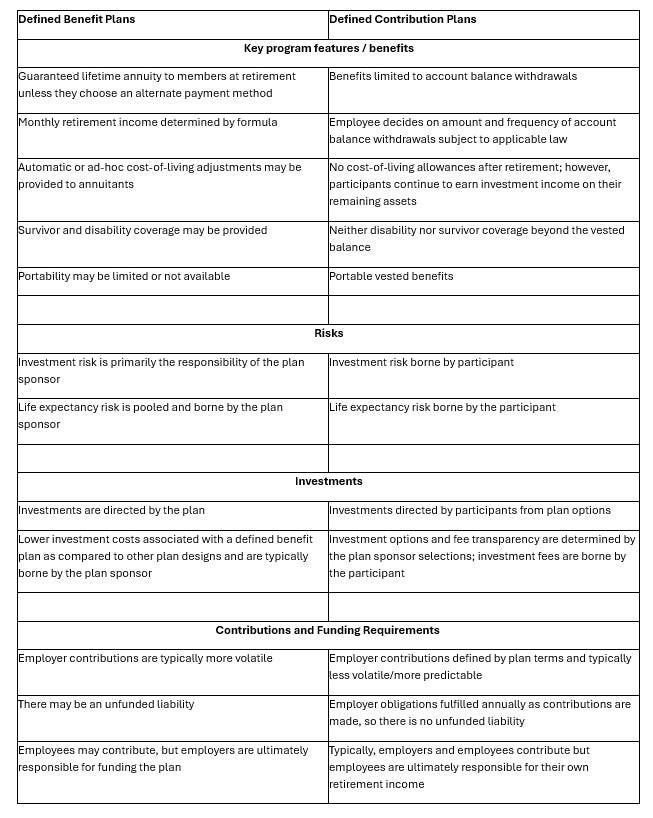
Pension plans promise a fixed income after retirement. Employers usually fund these plans. The amount depends on your salary and years worked. This plan gives steady income for life.Roth Iras
Roth IRAs let you save after-tax money. Withdrawals during retirement are tax-free. This plan works well if you expect higher taxes later. It offers flexible investment choices.
Credit: www.jdsupra.com
Contribution Limits And Rules
Understanding contribution limits and rules is key to choosing the right retirement plan. These limits set how much money you can save each year. They help you plan your retirement savings better. Knowing the rules helps avoid penalties and maximize benefits.
Annual Contribution Caps
Each retirement plan has a yearly limit on contributions. This cap varies by plan type. For example, 401(k) plans usually allow higher limits than IRAs. Staying within these caps is important to avoid tax issues. Check the current limits before making contributions.
Catch-up Contributions
People aged 50 and older can save extra money. This is called a catch-up contribution. It helps boost savings closer to retirement. Not all plans allow catch-up contributions. Know which plans offer this benefit to save more.
Employer Contributions
Some employers add money to your retirement account. This is a key benefit of certain plans. Employer contributions can match a portion of your savings. It increases your total retirement funds. Understand your employer’s rules about these contributions.
Tax Benefits Comparison
Tax benefits are a key factor in choosing a retirement plan. They affect how much money you save and how much you keep in retirement. Different plans offer different tax advantages. Understanding these differences helps you pick the best option.
Pre-tax Vs Post-tax Contributions
Pre-tax contributions lower your taxable income today. You pay less tax now but pay tax later when you withdraw. Post-tax contributions do not reduce your current taxes. You pay taxes on the money before saving it. This means no tax on withdrawals later.
Tax-deferred Growth
Tax-deferred growth means your money grows without tax each year. You pay taxes only when you take the money out. This helps your savings grow faster over time. Many retirement plans offer this benefit to boost your balance.
Tax-free Withdrawals
Some plans allow tax-free withdrawals in retirement. You pay taxes on contributions but not on the earnings. This can save a lot of money in the long run. It offers peace of mind by knowing your money is safe from taxes.
Credit: www.gfoa.org
Withdrawal Guidelines
Withdrawal guidelines are important to understand before taking money from your retirement plan. Each plan has rules on when and how you can withdraw funds. Following these rules helps avoid penalties and taxes. Knowing your options ensures better planning for your retirement needs.
Required Minimum Distributions
Most retirement plans require you to start taking money out at a certain age. This is called Required Minimum Distributions (RMDs). Usually, RMDs begin at age 73. The amount depends on your account balance and life expectancy. Missing RMDs can lead to big tax penalties.
Early Withdrawal Penalties
Taking money out before age 59½ often causes penalties. This penalty is usually 10% of the amount withdrawn. You may also owe regular income tax on the withdrawal. Some plans allow penalty-free withdrawals for specific reasons like disability or first home purchase.
Loan Options
Some retirement plans let you borrow money from your balance. Loans must be paid back with interest, usually within five years. Loan amounts are limited, often up to 50% of your account. Loans can help in emergencies but reduce your retirement savings growth.
Investment Options And Flexibility
Choosing the right retirement plan means understanding investment options and flexibility. These two factors affect how your money grows and how you manage it over time. Each plan offers different choices and ways to adjust your investments. Knowing these details helps you pick a plan that fits your needs and comfort level.
Plan Investment Choices
Retirement plans offer various investment options. Some include stocks, bonds, and mutual funds. Others provide target-date funds that adjust automatically. More choices mean you can mix and match to fit your goals. Plans with limited options may restrict your ability to diversify.
Risk And Returns
Every investment carries some risk. Stocks usually have higher risk but can offer better returns. Bonds tend to be safer but yield less. Your plan’s choices should match your risk tolerance. Balancing risk and returns is key to steady growth.
Rebalancing Opportunities
Markets change, and so should your investments. Rebalancing means adjusting your portfolio to keep your desired risk level. Some plans offer automatic rebalancing. Others require you to do it yourself. Regular rebalancing helps maintain balance and control over your investments.

Credit: www.quiverfinancial.com
Fees And Expenses
Fees and expenses play a big role in choosing the right retirement plan. They reduce your savings over time. Understanding these costs helps you pick the best plan for your needs. Some fees are clear, while others hide in fine print. Let’s break down the main types of fees you should know.
Administrative Fees
Administrative fees cover the day-to-day running of your retirement plan. These include record keeping and customer service. Plans charge these fees either as a flat rate or a percentage of your balance. Low administrative fees mean more money stays in your account. Always check this cost before choosing a plan.
Management Costs
Management costs pay for professionals who manage the investment funds. These fees come as an expense ratio, a percentage of your assets. Higher management costs can eat into your returns over time. Look for plans with reasonable management fees. This helps your investments grow better.
Hidden Charges
Hidden charges are less obvious fees that surprise many savers. Examples include transfer fees, early withdrawal penalties, and fund switching costs. These fees can lower your savings without warning. Read the fine print carefully. Know all possible fees before you commit to a plan.
Choosing The Best Plan
Choosing the best retirement plan is a key step for a secure future. Each plan has different features and benefits. Understanding your needs helps you pick the right one. This guide breaks down important points to consider.
Assessing Personal Goals
Start by thinking about your retirement goals. Do you want to retire early or work longer? How much money will you need each month? Knowing your goals guides your plan choice. Your risk comfort matters too. Some plans are safer but grow slower. Others have higher risk with bigger rewards.
Employer Offerings
Check what your employer offers. Many companies provide retirement plans like 401(k) or pensions. Some match your contributions, which adds extra money. Understand the rules and benefits of each plan. Employer plans often come with tax advantages. Using these can improve your savings.
Long-term Considerations
Think about how your plan will work over time. Inflation can reduce your money’s value. Choose plans that can grow enough to beat inflation. Also, consider taxes on withdrawals. Some plans tax money now, others later. Plan for healthcare costs and emergencies too. A good plan adapts to life changes.
Frequently Asked Questions
What Are The Main Types Of Retirement Plans?
Retirement plans include 401(k), IRA, Roth IRA, and pension plans. Each has different rules and benefits.
How Do Employer-sponsored Plans Compare To Individual Plans?
Employer plans often have matching contributions, while individual plans offer more control and flexibility.
Which Retirement Plan Offers The Best Tax Advantages?
Roth IRAs provide tax-free withdrawals, while traditional IRAs and 401(k)s offer tax-deferred growth.
Conclusion
Choosing the right retirement plan matters for your future. This chart helps you see the main differences clearly. Think about your goals, savings, and how much risk you can take. Use this guide to pick the plan that fits you best.
Planning early gives you more time to grow your money. Stay informed and review your plan regularly. That way, you can enjoy a comfortable retirement without stress. Take control of your financial future today.