Retirement might seem far away, but the choices you make today will shape your future comfort and freedom. Are you confident that your money will last as long as you do?
Understanding the stages of retirement planning can help you take control of your financial future step by step. Whether you’re just starting or already thinking about your golden years, knowing what to expect and how to prepare can ease your worries and boost your confidence.
Keep reading to discover the clear, simple path to a secure and enjoyable retirement.
Setting Retirement Goals
Setting retirement goals is the first step in planning your future. Clear goals help you decide how much money you need. They guide your saving and spending habits now.
Goals give your plan direction. Without them, saving feels random and uncertain. With goals, you stay focused and motivated.
Identify Your Desired Retirement Lifestyle
Think about how you want to live after you stop working. Do you want to travel or stay home? Will you downsize your house or stay where you are? Your lifestyle choices affect how much money you need.
Estimate Your Retirement Age
Decide when you want to retire. Early retirement needs more savings. Working longer means less money needed each year. Knowing your retirement age helps shape your plan.
Calculate Expected Expenses
List all costs you will have in retirement. Include housing, food, health care, and fun activities. Don’t forget unexpected expenses. This helps make your savings goal realistic.
Set Short-term And Long-term Goals
Create goals for the next few years and for later. Short-term goals could be paying off debt. Long-term goals focus on saving enough for retirement. Both types keep you on track.
Assessing Current Financial Status
Assessing your current financial status is the first step in retirement planning. It helps you understand where you stand financially. This step gives a clear picture of your income, expenses, savings, and debts. Knowing these details makes planning for retirement easier and more accurate.
Start by listing all sources of income. Include your salary, rental income, and any side jobs. Next, calculate your monthly expenses. Track bills, groceries, transport, and leisure costs.
Check your savings and investments. Include bank accounts, retirement funds, and stocks. Don’t forget to note any debts. Loans, credit card balances, and mortgages all affect your financial health.
Calculate Net Worth
Net worth shows your total wealth. Subtract your debts from your assets. Assets include savings, property, and investments. A positive net worth means you have more assets than debts. This number guides your retirement goals.
Evaluate Monthly Cash Flow
Cash flow is the money you earn minus what you spend. Positive cash flow means you save money each month. Negative cash flow means you spend more than you earn. Improving cash flow is vital for retirement saving.
Review Current Savings
Look at your retirement accounts and other savings. See if they match your retirement goals. Consider how much you have saved and how much more is needed. This review helps set clear saving targets.
Identify Debts And Liabilities
List all debts including loans and credit cards. Know the total amount and interest rates. Pay attention to debts with high interest. Reducing debt before retirement eases financial stress.
Estimating Retirement Expenses
Estimating retirement expenses is a key step in retirement planning. Knowing your future costs helps you prepare well. It gives a clear picture of how much money you will need. This step reduces surprises during retirement.
Expenses change after retirement. Some go down. Others may rise. Planning for these changes is important. It helps create a realistic budget.
Identify Basic Living Costs
Start with everyday expenses. Think about housing, food, and utilities. These costs usually remain steady. Include insurance and property taxes too. These are essential for daily life.
Account For Healthcare Costs
Healthcare often becomes a bigger expense. Consider doctor visits, medicine, and insurance premiums. Plan for unexpected health issues. These costs can add up fast.
Plan For Lifestyle Changes
Retirement may bring new hobbies or travel. These activities need money. Decide what you want to do. Add these costs to your budget. This keeps your plan realistic.
Include Inflation Impact
Prices rise over time. Inflation affects all expenses. Add a small percentage each year. This protects your budget from losing value. It keeps your savings on track.
Estimate One-time Expenses
Some costs happen only once or rarely. Home repairs, new car, or special trips. List these separately. Prepare for them to avoid surprises.
Credit: www.investopedia.com
Building A Savings Strategy
Building a savings strategy is a key part of retirement planning. It helps ensure financial security during your retirement years. A clear plan helps you save steadily and avoid stress later.
Start by knowing how much money you will need. This depends on your lifestyle and future expenses. Saving early gives your money time to grow through interest and investments.
Set Clear Savings Goals
Decide on a target amount to save. Consider your desired retirement age and monthly expenses. Break this target into smaller, yearly goals. This makes saving more manageable and less overwhelming.
Create A Budget For Savings
Track your income and expenses carefully. Find ways to reduce spending and increase your savings. Allocate a fixed part of your income to retirement savings every month. Consistency is key to building a strong fund.
Choose The Right Savings Accounts
Pick accounts with good interest rates and tax benefits. Retirement accounts like 401(k) or IRAs offer growth and tax advantages. Use a mix of accounts to balance safety and growth potential.
Review And Adjust Your Strategy
Check your savings progress regularly. Adjust your goals and contributions as your life changes. Stay flexible to handle unexpected expenses or income changes. This keeps your plan on track for retirement success.
Choosing Investment Options
Choosing the right investment options is a key step in retirement planning. It helps grow your savings safely over time. Your choices affect how much money you will have later. Picking investments depends on your goals, risk comfort, and time left before retirement.
Understanding different types of investments can guide you to better decisions. Each option has its own risks and rewards. Balancing these can protect your money from big losses.
Understanding Risk And Reward
Every investment carries some risk. Higher risks can mean higher rewards but also bigger losses. Lower risk options offer steadier growth but usually less profit. Knowing your risk comfort helps choose the right mix.
Diversifying Your Portfolio
Spreading money across many investments lowers risk. It avoids losing everything if one option fails. Stocks, bonds, and real estate are common choices. Diversification creates a safer path to grow your funds.
Considering Time Horizon
The time before retirement shapes your investment choices. Longer time allows for riskier investments with more growth. Shorter time needs safer options to protect savings. Adjusting investments as retirement nears keeps your plan on track.
Choosing Between Stocks And Bonds
Stocks can grow money faster but can be unstable. Bonds offer steady income with less risk. Combining both balances growth and safety. Your age and goals decide the right mix for you.
Using Retirement Accounts
Retirement accounts like 401(k) or IRA have tax benefits. They help your money grow faster. Choosing investments inside these accounts can maximize savings. Pay attention to fees and rules for each account.
Credit: primetime.net.au
Planning For Healthcare Costs
Planning for healthcare costs is a key part of retirement preparation. Medical expenses can rise as people age. Without proper planning, these costs may strain your savings. Understanding healthcare expenses helps you create a realistic retirement budget.
Start by estimating your future medical needs. Think about regular check-ups, medications, and possible emergencies. Consider long-term care, which many retirees need at some point. Planning ahead reduces stress and financial surprises.
Estimating Future Medical Expenses
Calculate your expected healthcare costs based on age and health. Include doctor visits, prescriptions, and medical tests. Add potential costs for surgeries or hospital stays. Research typical expenses in your area for accuracy.
Understanding Medicare And Supplemental Insurance
Medicare covers many healthcare services but not all. Learn what Medicare pays and what it leaves out. Supplemental insurance can help cover gaps and reduce out-of-pocket costs. Compare plans to find the best fit for your needs.
Considering Long-term Care Insurance
Long-term care includes help with daily activities like bathing and eating. This care is often not covered by Medicare. Long-term care insurance can protect your savings from high costs. Evaluate policies carefully before buying one.
Building A Healthcare Emergency Fund
Set aside money specifically for unexpected medical bills. This fund acts as a safety net during emergencies. Aim to save enough to cover several months of healthcare costs. Keep this money separate from other retirement funds.
Reviewing Social Security Benefits
Reviewing Social Security benefits is a key part of retirement planning. These benefits provide steady income after you stop working. Knowing your benefits helps you plan your finances better. It can prevent surprises in your retirement budget.
Checking your Social Security statement is a good start. It shows your earnings record and estimated benefits. Make sure your earnings are correct. Errors can lower your benefits. Correcting mistakes early ensures you get the right amount.
Understanding Your Full Retirement Age
Your full retirement age (FRA) is the age you receive full Social Security benefits. It varies depending on your birth year. Claiming benefits before FRA reduces your monthly amount. Waiting past FRA increases your benefits. Knowing your FRA helps decide the best time to start benefits.
Estimating Your Monthly Benefit Amount
Social Security calculates benefits based on your lifetime earnings. The more you earn, the higher your benefit. The Social Security website offers calculators to estimate your amount. Use these tools for a clearer retirement income picture. Adjust your plans based on these estimates.
Considering Spousal And Survivor Benefits
Spousal benefits provide income based on your partner’s work record. Survivor benefits support your family if you pass away. These benefits can add to your total Social Security income. Understanding them helps protect your household’s future income.
Credit: fastercapital.com
Adjusting Plans Over Time
Retirement planning is not a one-time task. Life changes, and plans must change too. Adjusting your retirement plan helps keep your goals realistic and achievable. It allows you to respond to new challenges and opportunities.
Reviewing Financial Goals Regularly
Check your financial goals often. This keeps your retirement plan on track. Changes in income, expenses, or savings affect your goals. Update your targets to fit your current situation.
Adapting To Market Changes
Financial markets can be unpredictable. Your investments might gain or lose value. Adjust your portfolio to balance risk and safety. Stay flexible to protect your savings from market ups and downs.
Accounting For Life Events
Major life events impact your retirement plans. Marriage, children, or health issues change your needs. Update your plan to reflect these events. Planning with real-life changes keeps your retirement secure.
Monitoring Spending Habits
Track your spending habits closely. Retirement means fixed income for many. Adjust your budget to avoid overspending. Smart spending helps your money last longer.
Seeking Professional Advice
Consult financial experts when needed. They provide insights and advice tailored to you. Professionals help adjust plans to fit changing rules and markets. Their guidance improves your retirement readiness.
Frequently Asked Questions
What Are The Main Stages Of Retirement Planning?
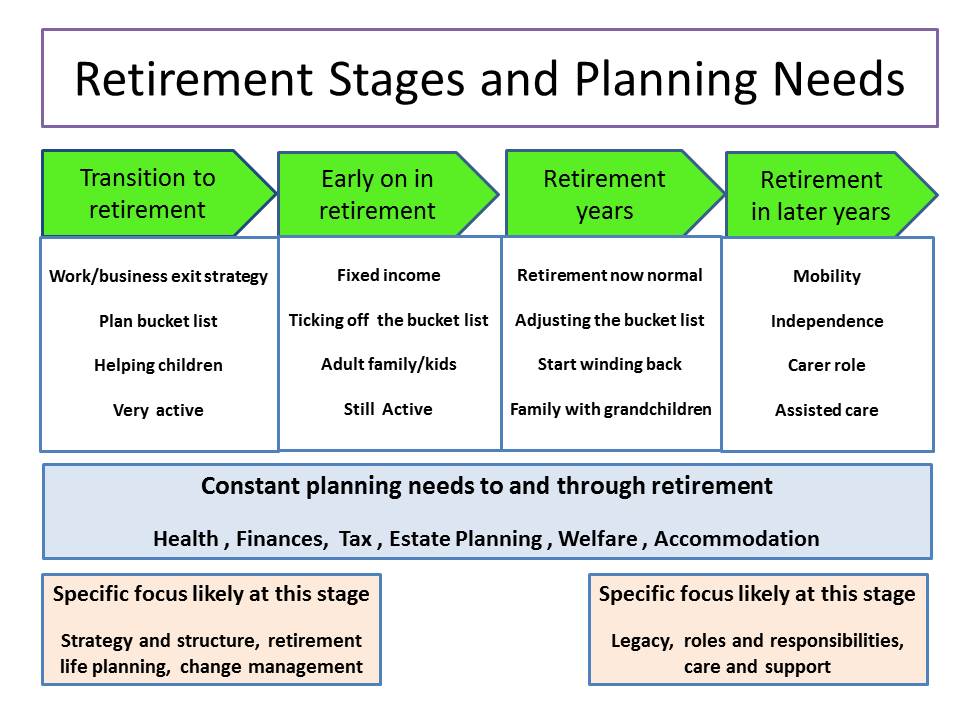
Retirement planning includes early saving, mid-career investing, pre-retirement review, and post-retirement budgeting.
How Early Should I Start Retirement Planning?
Starting in your 20s or 30s helps build a larger savings base over time.
What Is Important During The Pre-retirement Stage?
Focus on reviewing savings, estimating expenses, and planning healthcare and income sources.
How Does Retirement Planning Change After Retirement?
It shifts to managing income, controlling expenses, and adjusting plans as needed.
Why Is Regular Review Important In Retirement Planning?
Regular checks help adjust goals and keep plans on track with life changes.
Conclusion
Planning for retirement takes time and careful thought. Each stage helps you prepare better for the future. Start early to save more and reduce stress later. Review your plan often to stay on track with goals. Adjust your savings and investments as life changes.
Remember, small steps today lead to a secure tomorrow. A clear plan gives peace of mind for retirement years. Keep focused and patient; success comes with steady effort. Retirement can be comfortable with the right preparation.
Are you curious about how your military retirement benefits really work? Understanding the Blended Retirement Plan could change the way you think about your future. This plan combines traditional pension benefits with a savings component, giving you more control over your retirement. If you want to make smart choices today that secure your financial freedom…
You’ve worked hard to build your wealth, but have you thought about how to protect and grow it for your retirement? Retirement planning for high net worth individuals isn’t just about saving money—it’s about making smart choices that secure your lifestyle and legacy. You’ll discover practical strategies tailored to your unique financial situation. Keep reading…
Are you looking for a smart way to save money for your future while keeping more of your hard-earned cash today? A qualified retirement plan might be just what you need. These plans offer powerful tax advantages that can make a big difference in how much you keep now and how much you grow for…
Are you a teacher wondering how to secure your future after years of hard work? Choosing the right retirement plan can make all the difference in enjoying a comfortable and stress-free retirement. But with so many options available, how do you know which plan works best for you, especially since benefits vary by state? This…
You’ve worked hard to build your legal career, but have you given enough thought to your retirement? Planning for retirement as a lawyer is different from many other professions. Your income, lifestyle, and even stress levels can change dramatically once you step away from the courtroom or office. If you want to enjoy your retirement…
Are you ready to take control of your future and enjoy a worry-free retirement? Planning your retirement can feel overwhelming, but with the right strategies, you can build a secure and comfortable life after work. Ann Vanderslice Retirement Planning Strategies offer clear, practical steps designed to help you make smart decisions about your money, so…


:max_bytes(150000):strip_icc()/retirement-planning.asp-FINAL-ed21279a08874c54a3a0f4858866e0b6.png)